312-981-0409
33 N Dearborn St 10th Floor, Chicago, IL 60602

 Spanish
 Cantonese
Serving Clients Across 8 Illinois Locations

Recent Blog Posts
Differentiating Between Food Poisoning and a Stomach Virus
 If you are experiencing sudden stomach pain, nausea and/or diarrhea, there are generally two possible causes: food poisoning or stomach flu. Both of their symptoms are similar enough that it is difficult for you to tell the difference. However, the difference between food poisoning and stomach flu can determine whether someone may be liable for your medical expenses and suffering. Illinois has strict liability for food poisoning cases while catching a stomach virus usually falls out of the realm of liability. This is one reason why you should see a doctor, who can diagnose the cause of your sickness.
Catching the Stomach Flu vs. Contracting Food Poisoning
The “stomach flu” is not actually a strain of influenza but a gastrointestinal virus that inflames your digestive system. The virus is passed person-to-person by coming in contact with an infected person or surfaces they have contaminated. You can catch a stomach virus if an infected person is preparing your food, but it is more common to catch it from the people you interact with.
Cut Fruit Causes Salmonella Outbreak in 11 States
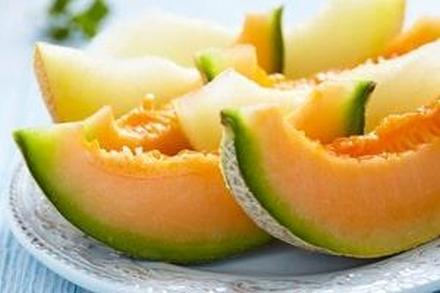 Salmonella is one of the most common sources of food poisoning in the U.S. The Centers for Disease Control and Prevention (CDC) estimate that 1.35 million people receive salmonella infections each year, which leads to 26,500 hospitalizations and 420 deaths. People most often associate salmonella with eating raw or undercooked meats. A CDC study published in 2011 found that 67 percent of the salmonella outbreaks came from poultry, eggs, pork, and beef. However, salmonella bacteria can contaminate any food, including fruits and vegetables.
Cut Fruit Tied to Recent Outbreak
Tailor Cut Produce recalled several cut fruit products on Dec. 7 because of the risk of salmonella contamination. The products included:
- The Fruit Luau cut fruit mix
- Cut cantaloupe
- Cut honeydew melon
- Cut pineapple
According to the CDC, the salmonella outbreak is believed to have infected 96 people from 11 states – including one person from Illinois. Twenty-seven of those patients were hospitalized, and there are no reports of related deaths. Tailor Cut Produce sold the fruit to food service companies that served it to patrons in schools, hospitals, and hotels. In this case, a victim would seek compensation from the original seller of the contaminated fruit and not the institution that served the fruit – unless that institution still served the fruit after learning about the recall.
Airline Meals Are Frequent Source of Food Poisoning
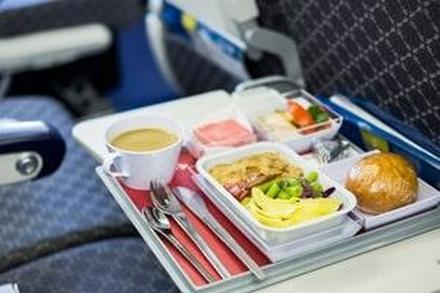 Airline food is often the source of jokes because of its reputation for poor quality. Many will remember the classic comedic film “Airplane!,” in which a majority of the passengers of a flight become ill after being served fish for dinner. Food poisoning from airline food is very real and not a laughing matter. It is difficult to track how many people contract food poisoning from food served on airplanes because passengers can disperse across the country or around the world. However, we do know from individual complaints and government inspections that there are numerous cases of food poisoning that originate from airline food.
Startling Findings
Third-party food catering services provide most of the meals that people eat on airplanes. The federal Food and Drug Administration is responsible for inspecting the caterers for health code violations. A recent investigation by NBC News reported that the FDA has documented several violations in the past four years, such as:
Foreign Objects in Food Pose Danger to Consumers
 Most sources of food poisoning come from natural contaminants such as bacteria that infect the food during processing or as a result of improper refrigeration. Consumers can also be injured or become sick from foreign objects that they find in their food. For instance, an Illinois sausage company recently recalled more than 1,000 pounds of pork sausages under the label “Berkshire Natural Casing Sausage” because at least one package contained pieces of plastic in the meat. If you ingest a foreign object that was mixed in your food, you should treat the situation as if it is a food poisoning case, including seeking compensation.
Possible Contaminants
The foreign objects that you may find in food are often associated with the people handling the food, the tools they use during preparation, and the condition of the preparation site. Objects may include:
- Packaging materials
Five Ways to Prevent Food Poisoning for the Holidays
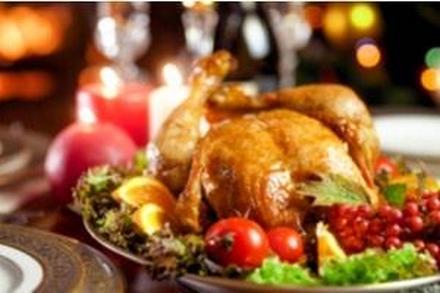 You will likely enjoy multiple large meals with family and friends this holiday season – even before the traditional Christmas Day feast. Unfortunately, there is always the chance that something you eat will cause you to become sick from food poisoning. No one wants to spend the holidays dealing with stomach pains, vomiting, diarrhea, or other food poisoning symptoms. As the host of a meal or preparer of a dish, you could be liable if others get food poisoning from the food that you served. Here are five tips for avoiding food poisoning at holiday meals:
- Check for Food Recalls: Food producers and sellers are sometimes the ones who are liable for their products containing bacteria or other contaminants. The U.S. Food and Drug Administration (FDA) or Department of Agriculture Food Safety and Inspection Service may issue a recall on a product if food poisoning cases are believed to be connected to the product or there is a reason to believe that the product has been contaminated. Do a simple internet search on food product recalls in case you purchased a product that has been recalled.
Lettuce E. Coli Outbreak Hits U.S. for Third Year
 The Centers for Disease Control and Prevention (CDC) reports that 67 people have become sick since Sept. 24 due to E. coli found in romaine lettuce. Consumers are warned to not eat romaine that was grown in Salinas, California, and to avoid purchasing romaine if it does not say where it was grown. According to the CDC, 39 people have been hospitalized, with six of those patients developing kidney failure. Illnesses have been reported across 19 states, including one person in Illinois who was hospitalized. The CDC is still investigating the source of the contamination and whether products from other areas are contaminated.
History of Outbreaks
This is the third consecutive year that the same strain of E. coli has been linked to leafy greens sold in the U.S.:
- In 2017, 25 people in 15 states became ill with E. coli between Nov. 5 and Dec. 12, with one patient in California dying. The CDC identified leafy greens as the likely source of the outbreak based on patient interviews but were unable to identify a specific type of leafy green that was responsible.
Produce Linked to Many Food Poisoning Cases in U.S.
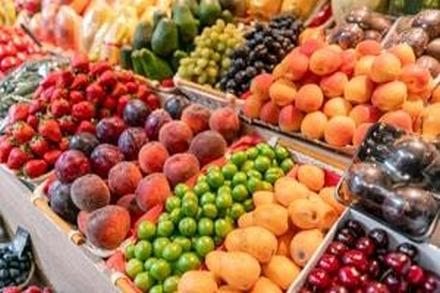 Raw fruits and vegetables are undeniably an important part of a nutritious diet, but they can also be a source of food poisoning. In fact, a 2015 study from the Centers for Disease Control found that almost half of the reported food poisoning cases from 2008 to 2012 came from eating raw produce. The CDC cited several possible reasons for this:
- People are eating raw produce more often.
- The cleaning process on some farms actually traps harmful bacteria in the produce.
- Some bacteria cannot be removed by washing it off.
If you are certain that eating fresh fruits or vegetables caused your food poisoning, then you may be entitled to compensation from the people that grew or packaged the products.
Apples Recall
As a recent example, a Michigan company recalled apples it had shipped out from Oct. 16 to 24 because of possible listeria contamination. The apples were sold in bags with the brand names Great Lakes and North Bay Pure Michigan and distributed to retailers and wholesalers in eight states, including Illinois. No listeriosis cases had been reported at the time of the recall. Companies often issue voluntary recalls in advance of outbreaks because they know they could be liable if a consumer became sick. Listeriosis is usually not life-threatening to healthy adults but can be more serious for children, the elderly, and pregnant women.
Listeria Threat Linked to Pre-Packaged Sandwiches
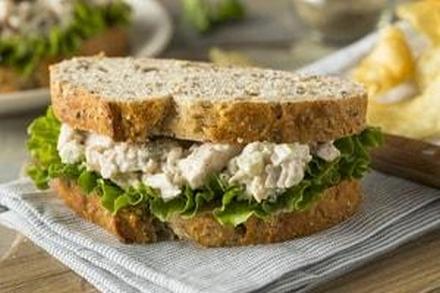 Listeria outbreaks in the U.S. are rare compared to other forms of food poisoning, but food manufacturers and regulators take the potential of an outbreak seriously. For instance, Lipari Foods recently issued a voluntary recall of some of its pre-packaged sandwiches because they potentially contained listeria monocytogenes. The products included chicken salad and ham and cheese sandwiches under the Premo, Fresh Grab, and Lipari Old Tyme brand names. Lipari Foods distributed the sandwiches to retailers in 15 states, including Illinois. There were no reported illnesses connected to the recalled products as of the announcement of the recall on Oct. 8. A listeria infection, known as listeriosis, can be life-threatening, depending on the patient.
Those Most Vulnerable
Symptoms of listeriosis may appear as soon as a day after eating contaminated food or take weeks to develop. The severity of the symptoms depends on whether the infection has spread beyond the gut – known as invasive listeriosis – and may include:
Pumpkin Food Poisoning Is Rare But Serious
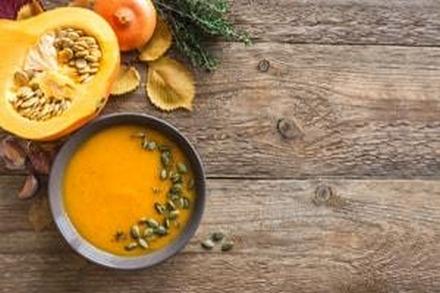 Americans go wild for pumpkin-flavored products every fall, adding the gourd to a variety of foods. Can you get food poisoning from pumpkins? It is unlikely that adding pumpkin spice to your food will cause food poisoning, but pumpkin products can cause some nasty illnesses in rare situations. Understanding how pumpkins can become poisonous to humans may protect you from a food poisoning incident or help you identify pumpkins as the source of your illness.
Toxic Squash Syndrome
Pumpkins are classified as cucurbits, a family of flowering gourd plants that also include cucumbers, melons, and squash. Cucurbit poisoning, also known as toxic squash syndrome, occurs when a person eats a cucurbit that contains an elevated level of cucurbitacin E. Symptoms of toxic squash poisoning can include:
- Nausea;
- Diarrhea;
- Abdominal pain;
- Vomiting;
Which Foods Are Most Likely to Cause Food Poisoning?
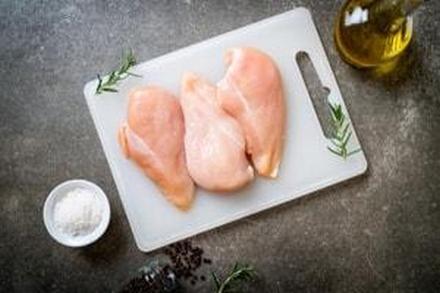 Tracing the source of your food poisoning can be more difficult than you might expect. Food that is contaminated with harmful bacteria does not always look or taste strange. Symptoms can manifest in a short as an hour or as long as weeks. A wide variety of foods can be responsible for food poisoning. When trying to solve the mystery of a food poisoning case, your clues are the type of food poisoning you have and the foods you have eaten recently. A doctor will identify the food poisoning and its possible source, but you must create a retroactive food journal to identify the source. To help, here are seven foods most often associated with food poisoning cases:
- Poultry: Raw poultry – such as chicken, turkey, and duck – are near the top of most lists of products that can cause food poisoning. Poultry has a high rate of bacterial contamination that can make you sick if it is undercooked.
-

Foreclosure and Bankruptcy
Visit Website -

Real Estate and Estate Planning
Visit Website -

Personal Injury
Visit Website









Results listed are not a guarantee of future results.

Contact Our Firm
 The use of the Internet or this form for communication with the firm or any individual member of the firm does not establish an attorney-client relationship. Confidential or time-sensitive information should not be sent through this form.
I have read and understand the Disclaimer and Privacy Policy.