312-981-0409
33 N Dearborn St 10th Floor, Chicago, IL 60602

 Spanish
 Cantonese
Serving Clients Across 8 Illinois Locations

Recent Blog Posts
Casein Allergy: What Is It?

Does eating pizza or drinking a glass of milk cause your lips to swell up and rashes to appear all over your body? There’s a high chance that you might be suffering from casein allergy. Casein, a protein commonly found in milk and dairy products, can trigger an allergic reaction, which can be life-threatening if not treated on time. This happens when your immune system mistakenly identifies the milk protein as a threat and tries to fight it.
Although there is a common misconception wherein casein allergy is often incorrectly identified as lactose intolerance, it is imperative to recognize that these two conditions are fundamentally distinct. Approximately 80% of the protein content within milk is attributed to casein, a component that also contributes to the characteristic white hue of milk. In this article, we will delve into the causes, symptoms, risk factors, diagnosis, and prevention of casein allergy.
Casein Allergy Causes
Casein allergy is the immune system’s response to the protein casein found in dairy products and milk. When an individual's immune system misidentifies casein as harmful, it launches an attack by releasing histamines and other chemicals, leading to allergic reactions.
An Overview: Staphylococcal Food Poisoning

A gastrointestinal disease, Staphylococcal food poisoning is caused due to the ingestion of a toxic bacterium, Staph. While Staphylococcus Aureus is often found on the skin and in the nose of approximately 25% of healthy individuals, its ability to produce toxins in certain conditions can lead to a swift onset of food poisoning symptoms such as cramps, diarrhea, nausea, and vomiting. Staphylococcal food poisoning is usually a result of eating contaminated or raw food. Keep reading to learn more about Staphylococcus Aureus food poisoning.
Causes of Staphylococcus Aureus Food Poisoning
Staphylococcus Aureus is a bacterium that naturally resides on human skin and mucous membranes. However, under certain conditions, Staphylococcus Aureus produces heat-stable toxins that can trigger food poisoning symptoms. The toxins are produced when the food is stored at improper temperatures [above 60 °C (140 °F)) or below 4 °C (40 °F))].
Understanding Food Allergy Lawsuits Against Manufacturers

Did you know that for over 5.6 million children and 26 million adults in America, ingredient labels are the first and only line of protection between a delicious and enjoyable meal and a critical health emergency? Ingesting even the smallest amount of allergens can bring about an anaphylactic shock leading to respiratory issues, cardiovascular problems, gastrointestinal difficulties, and skin irritation. In this condition, injecting an EpiPen (epinephrine) or getting medical treatment is the only remedy.
Unfortunately, despite the strict laws and regulations, food manufacturers still fail to adequately address the risks posed by allergens in their products, which can lead to severe consequences for allergic individuals, potentially resulting in illness, injury, or even death. In fact, in 2017, approximately 456 food items were recalled from the superstores in a period of 12 months. According to the reports, 218 of these items comprised undeclared allergens – 9% had almonds, 13% had soy, 16% had eggs, and 50% had milk.
Stages of Food-Allergic Reactions

Food is a source of nourishment, pleasure, and social connection, but it can also trigger adverse reactions in some individuals. Food allergies, a common health concern, affect millions of people worldwide. An allergic reaction occurs when the body's immune system mistakenly identifies a harmless food protein as a threat and launches a defensive response against it. These reactions can range from mild discomfort to life-threatening emergencies. Understanding the stages of food allergic reactions is crucial in identifying symptoms, seeking prompt medical attention, and adopting preventive measures. Keep reading to learn about the different stages of a food-allergic reaction.
Stage 01: Exposure
The first stage in food allergy development often occurs during early childhood. When an individual is exposed to a specific food for the first time, their immune system may start producing specific antibodies (IgE) against the proteins present in that food. This process is known as sensitization. Initially, the individual may not experience noticeable symptoms during this stage, making it challenging to identify the allergy.
Living with Food Allergies – Know Your Rights

Food allergies are a prevalent and potentially life-threatening condition affecting millions worldwide. In the United States, an estimated 32 million people suffer from food allergies. Living with food allergies can be challenging, as it requires constant vigilance and careful management to avoid potential allergic reactions in public places. This article will delve into the rights of U.S. citizens with food allergies and provide essential tips for keeping yourself safe from allergic reactions.
What Is a Food Allergy?
Your immune system's response to a certain protein in different foods is an allergic reaction. In simpler words, When someone with a food allergy consumes an allergenic food, their immune system overreacts and releases chemicals like histamine, leading to a range of symptoms from mild to severe.
Different Types of E. Coli Explained
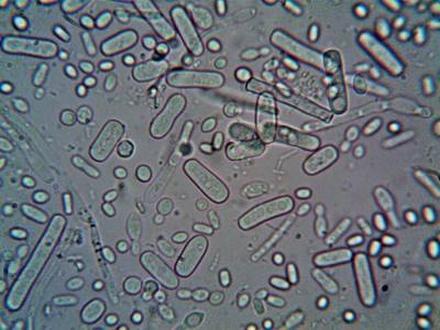
Escherichia coli is a gram-negative, rod-shaped bacterium that belongs to the Enterobacteriaceae family. First discovered in 1885 by German pediatrician and bacteriologist Theodor Escherich, E. coli has become one of the most extensively studied microorganisms due to its abundance and diverse characteristics. Inhabiting various environments, including the human and animal digestive systems, some strains of E. coli are harmless and even beneficial. However, others can lead to severe illness and pose significant public health concerns. Continue reading to learn about the five types of pathogenic E. coli variants.
1. Enterohemorrhagic E. Coli (EHEC)
Enterohemorrhagic (EHEC) strains, such as E. coli O157:H7 and Shiga-toxin-producing E. coli, are highly recognized due to their low infectious dose and transmission through contaminated food, especially meat and unpasteurized beverages. These Escherichia coli strains primarily target the colon, leading to symptoms like non-bloody diarrhea caused by Shiga-toxin production and AE lesions. Severe cases can result in Hemolytic Uremic Syndrome (HUS), a life-threatening condition.
Dining Safely: Managing Food Allergies in Restaurants

For many patrons, visiting their favorite restaurant is a memorable and enjoyable experience. However, for individuals with food sensitivities, a seemingly ordinary meal can trigger a severe allergic reaction, leading to compromised health, a lawsuit, and a lifetime of trauma haunting every dining experience in the future.
According to a report by FARE (Food Allergy and Research Education), approximately 15 million US citizens have food allergies, and a person is brought to the emergency room every 3 minutes due to a food allergic reaction. The statistics become notably concerning when taking into account that approximately one-third of our calorie intake is derived from meals consumed outside the home. Thus, to make your dining out experience safer and worry-free, we have created a complete guide on how to manage food allergies in restaurants. Keep reading to learn five tips on dining safely with a food allergy.
5 Food-Related Medical Conditions

Food serves more than a nutritional purpose in our lives. The food we consume plays a fundamental role in our overall well-being. Over the years, medical professionals have spoken up about the link between food and some common medical conditions. Understanding this connection is essential for making informed dietary choices and maintaining a healthy lifestyle. Continue reading to learn about the five food-related medical conditions.
1. Food Intolerances and Allergies
Food allergies and intolerances can cause various adverse reactions, ranging from mild discomfort to life-threatening anaphylaxis. Allergies occur when the immune system overreacts to certain foods, while intolerances result from the body's inability to digest or process specific substances. For example, Lactose Intolerance is characterized by insufficient production of the lactase enzyme in the small intestine, leading to the inability to effectively digest lactose, a sugar commonly present in dairy products.
Food Allergies vs. Food Intolerances: Key Differences and Management

Although they might sound the same, "food allergy" and "food intolerance" are very different medical conditions. While they may share some similarities in terms of symptoms, the underlying mechanisms, causes, and treatment approaches differ significantly. Here's everything you need to know about food allergies vs. food intolerances.
What Is Food Intolerance?
Affecting 15% to 20% of people in the United States, food intolerance occurs when the digestive system has difficulty processing specific types of food. Individuals with digestive system disorders, such as irritable bowel syndrome (IBS), often experience a higher prevalence of food intolerances. These intolerances can exacerbate symptoms and lead to discomfort and digestive distress.
Causes
The causes of food intolerance can vary. Common factors that can trigger a food intolerance reaction are given below:
Oral Allergy Syndrome: Understanding the Triggers, Symptoms, and Treatment

Also known as pollen-food syndrome, Oral Allergy Syndrome (OAS) is a relatively common condition affecting individuals with environmental allergies. Simply put, your immune system considers proteins in certain fruits, vegetables, and nuts as pollen proteins and reacts to them, causing itching, tingling, or swelling of the mouth, lips, and throat. According to reports, 47-70% of people with pollen allergies have Oral Allergy Syndrome, including children under the age of 3. Read on to learn about the triggers, symptoms, treatment, and prevention tips of Oral Allergy Syndrome.
What Are the Causes of Oral Allergy Syndrome?
Oral Allergy Syndrome is primarily caused by cross-reactivity between proteins found in certain fruits, vegetables, and nuts and environmental allergens. The immune system recognizes similar proteins in pollen and certain foods, leading to an allergic response. Refer to the table below to learn about the common triggers of Oral Allergy Syndrome:
-

Foreclosure and Bankruptcy
Visit Website -

Real Estate and Estate Planning
Visit Website -

Personal Injury
Visit Website









Results listed are not a guarantee of future results.

Contact Our Firm
 The use of the Internet or this form for communication with the firm or any individual member of the firm does not establish an attorney-client relationship. Confidential or time-sensitive information should not be sent through this form.
I have read and understand the Disclaimer and Privacy Policy.