312-981-0409
33 N Dearborn St 10th Floor, Chicago, IL 60602

 Spanish
 Cantonese
Serving Clients Across 8 Illinois Locations

Recent Blog Posts
How Can Eggs Become Contaminated With Salmonella? | IL
 Did you know there are over 2,500 strains of nontyphoidal salmonella? Worldwide, around 150 million people become ill and approximately 60,000 deaths occur due to salmonella every year. A recent outbreak associated with eggs produced and sold by Milo’s Poultry Farms, LLC in Wisconsin affected several people in Illinois.
Have you ever wondered how salmonella can get into an egg? What should you do if you become ill from salmonella? The experienced lawyers at Newland & Newland, LLP can help you obtain compensation if you qualify, so call now for your free consultation.
What Happened With the Milo’s Poultry Farms, LLC Outbreak?
According to the U.S. Food & Drug Administration, eggs supplied by the company to Wisconsin, Michigan, and Illinois have been linked to an outbreak of Salmonella Enteritidis, one of the most common strains of the bacteria. As of September 6, 2024, there were 11 reported cases of salmonella illness in Illinois. The poultry farm voluntarily recalled all eggs.
September is National Food Safety Education Month
 According to the Centers for Disease Control and Prevention, 48 million people in the U.S. get sick from foodborne diseases every year. 128,000 of those people are admitted to hospitals, with 3,000 losing their lives. This serves as a stark reminder that food poisoning is a serious problem.
As part of a campaign to prevent food poisoning, the Illinois Department of Public Health recently issued a statement to remind you of basic precautions that can help avoid unnecessary risks. If you become ill due to food poisoning, the lawyers at Newland & Newland, LLP have extensive knowledge and experience helping victims recover compensation. Call today for your free consultation so we can discuss your case and explain how we can help.
The Unfortunate Effects of Food Poisoning
There are 31 known pathogens that can cause foodborne illnesses. Norovirus, salmonella, clostridium perfringens, campylobacter, and staphylococcus aureus are responsible for 91 percent of the nation’s annual tally of foodborne sicknesses. Other dangerous pathogens include E. coli, listeria, hepatitis A, shigella, cryptosporidium, and botulism. Frequently experienced symptoms include:
Can I Sue for Food Poisoning After an Allergic Reaction? | IL
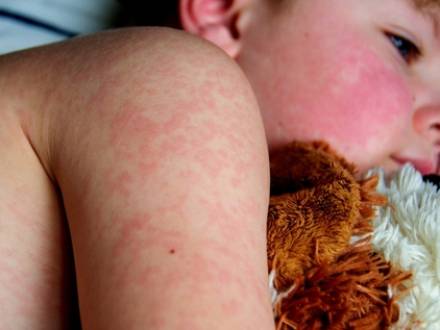 Approximately 6 percent of children and adults in the U.S. have food allergies, with allergic reactions to food ranging from mild tingling or itching to life-threatening conditions. In a recent U.K. tragedy, an allergic reaction to cow’s milk was fatal.
Can you sue a restaurant or food vendor for food poisoning if you have an allergic reaction to the food they serve you? How do you know if you qualify? A knowledgeable lawyer from Newland & Newland, LLP can discuss your case and provide answers during your free consultation.
What Happened in the U.K. Incident?
A mother and her 13-year-old daughter ordered soy hot chocolate drinks at a coffee shop. The mother explained that the girl had severe allergies to cow’s milk and requested that the shop’s employees clean their equipment before preparing her order. After taking only one sip of the hot chocolate she was served, the girl experienced a severe allergic reaction, which led to her death later that day.
Can You Get Food Poisoning Compensation from a Food Truck?
 When you hear about cases of food poisoning, they often involve restaurants, grocery stores, and other permanent facilities where people can buy unprepared or ready-to-eat food. While it is true that individual cases or outbreaks often come from this type of setting, you can also suffer from foodborne illnesses due to eating food provided by mobile vendors. These illnesses may require medical treatment, cause you to miss work, and even cause death.
At Newland & Newland, LLP, we have specific experience handling food poisoning cases that other firms lack. One of our well-qualified attorneys can help you get the compensation you deserve.
What Are Mobile Food Vendors?
Food trucks, carts, trailers, and kiosks are examples of mobile food vending operations. These businesses sell ready-to-eat foods that may be prepared in a licensed food establishment or on-site. These vendors need various permits and licenses and must meet certain requirements to comply with state and local laws, which may vary by location and type of vendor. Chicago alone has around 300 mobile food trucks and vendors, with many more throughout Illinois.
The Raw Truth of Drinking Unpasteurized Milk
 An unexpected trend has emerged in the dairy industry: a significant increase in raw milk sales. Despite longstanding warnings from health authorities, consumers are flocking to unpasteurized dairy products, potentially putting their health at risk. An Illinois lawyer can help you address this concerning trend and provide clarity on the dangers associated with raw milk consumption.
The Surge in Raw Milk Sales
According to recent NielsenIQ data, raw cow’s milk sales have increased by 21 percent to 65 percent compared to the previous year. This surge comes at a particularly precarious time, as the first cases of bird flu in U.S. cattle were confirmed on March 25, 2024. The Centers for Disease Control and Prevention (CDC) has explicitly labeled raw milk as one of the "riskiest" foods people can consume, yet sales continue to climb.
How Can You Get Hepatitis A?
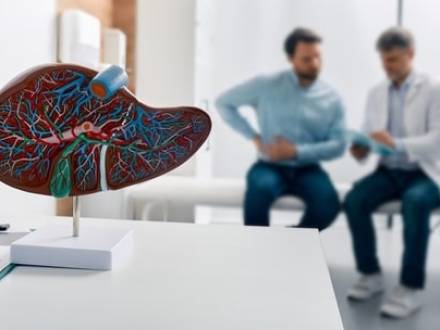 Hepatitis A is a viral infection that is highly contagious and primarily affects the liver, causing inflammation. Understanding how this virus spreads is important for prevention and protecting your health. An Illinois lawyer can help you understand the impact of hepatitis A outbreaks on individuals and communities.
Signs of Hepatitis A to Watch Out For
Recognizing the symptoms of hepatitis A is important for early detection and treatment. The signs typically appear two to seven weeks after exposure to the virus. It is important to note that not all infected individuals, especially children, may show symptoms. Here are key signs to watch out for:
- Joint pain
- Low-grade fever
- Loss of appetite
- Dark urine
- Fatigue and weakness
- Sudden onset of vomiting and nausea
- Clay-colored bowel movements
How Do You Contract Giardia?
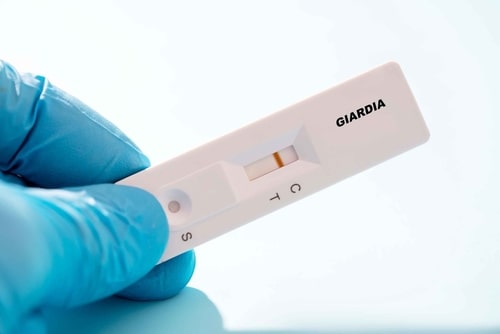 Giardia is a microscopic parasite that causes a common intestinal infection known as giardiasis. Understanding how this parasite spreads and recognizing its symptoms are crucial steps in prevention and early treatment. An Illinois lawyer can help you take legal action if your case qualifies.
Common Symptoms of Giardia
Giardia infection can manifest in various ways, and symptoms typically appear 1-3 weeks after exposure. Some individuals may remain asymptomatic, unknowingly spreading the parasite to others. For those who do experience symptoms, they often include:
- Watery, foul-smelling diarrhea
- Abdominal cramps and bloating
- Nausea and vomiting
- Fatigue and weakness
- Weight loss
- Gas and flatulence
These symptoms can persist for several weeks if left untreated, leading to dehydration and malnutrition. In some cases, individuals may develop long-term complications such as lactose intolerance or irritable bowel syndrome.
How to Recognize Cryptosporidium
 Cryptosporidium, often referred to simply as "crypto," is a microscopic parasite that can cause a nasty intestinal infection called cryptosporidiosis. According to the Centers for Disease Control and Prevention (CDC), crypto is one of the leading causes of waterborne illness in the United States. An Illinois lawyer can help you understand how important it is to be aware of this health risk and how to seek potential compensation for your illness.
Know the Symptoms
The telltale signs of a crypto infection usually appear within two to 10 days after exposure. Watery diarrhea is the most common symptom, which can last several weeks and lead to dehydration if not properly managed. Other symptoms may include:
- Stomach cramps or pain
- Nausea and vomiting
Why is Listeria so Dangerous for Pregnant Women?
 Listeria monocytogenes, the bacterium responsible for listeriosis, poses a significant threat to public health, especially for women who are pregnant and their unborn babies. In Illinois, food poisoning cases involving Listeria are taken seriously because of the potential for severe complications and even fatalities. An Illinois lawyer can help you understand the unique dangers Listeria presents to expectant mothers and the legal options available to those affected.
The Heightened Risk for Pregnant Women
Pregnant women have a roughly tenfold increased risk of contracting listeriosis compared to the general population. This increased susceptibility is attributed to the changes in the immune system during pregnancy, which are necessary to support the growing fetus. However, this temporary immune suppression also makes it more difficult for the mother’s body to fight off harmful bacteria like Listeria.
How to Prove Where You Got Shigella
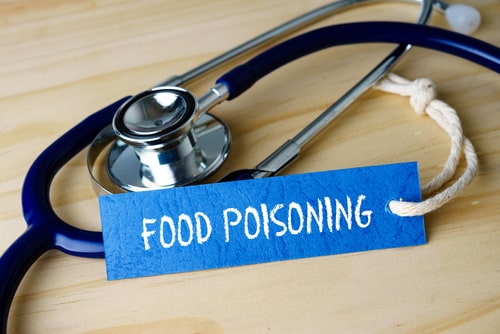 If you have been diagnosed with Shigella, a bacterial infection that causes severe diarrhea, fever, and abdominal pain, you may be wondering how to prove where you contracted the illness. Establishing the source of your Shigella infection is the first step for seeking compensation and holding the responsible parties accountable. An Illinois lawyer can guide you through the steps to prove where you got Shigella and how to navigate the legal process.
What to Know About Shigella Transmission
Shigella is a highly contagious bacteria that spreads through contaminated food, water, or contact with an infected person. Common sources of Shigella outbreaks include restaurants and food service establishments with poor hygiene practices, contaminated swimming pools or water parks, daycare centers or schools with inadequate sanitation, and person-to-person transmission in households or institutional settings.
-

Foreclosure and Bankruptcy
Visit Website -

Real Estate and Estate Planning
Visit Website -

Personal Injury
Visit Website









Results listed are not a guarantee of future results.

Contact Our Firm
 The use of the Internet or this form for communication with the firm or any individual member of the firm does not establish an attorney-client relationship. Confidential or time-sensitive information should not be sent through this form.
I have read and understand the Disclaimer and Privacy Policy.