312-981-0409
33 N Dearborn St 10th Floor, Chicago, IL 60602

 Spanish
 Cantonese
Serving Clients Across 8 Illinois Locations

Recent Blog Posts
Allergic Reactions and Food Labeling in Illinois
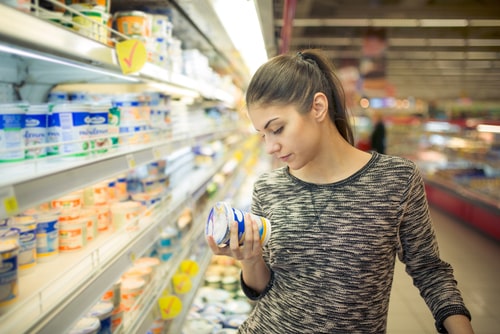 Many people are seriously concerned about food allergies, and it is essential that food packaging accurately lists all ingredients to protect consumers. Suppose you have experienced a severe allergic reaction after consuming a product that did not mention wheat on its label. In that case, you may wonder what legal options are available to you, and an Illinois lawyer can help.
Understanding Food Labeling Laws
The Food Allergen Labeling and Consumer Protection Act (FALCPA) is a federal law that requires food manufacturers to list the eight major allergens, including wheat, on their product labels. This law applies to all packaged foods regulated by the FDA. If a product contains wheat but fails to disclose it on the label, the manufacturer may be in violation of FALCPA.
Food Manufacturer Liability in Allergy Lawsuits: Explained
Nearly 1 out of 20 people in the US suffers from a food allergy, which can cause an anaphylactic shock. This is why it is important to look at the food labels before buying your favorite soup can or any other product.
However, the question that remains is who should be held responsible if you find yourself in the emergency room of a hospital getting treated for a swollen throat and hives.
The answer is, the food manufacturer!
Food manufacturers in Chicago can face significant legal charges and challenges when it comes to allergy lawsuits. These cases typically revolve around allergic reactions to certain ingredients in food products, and the liability of the manufacturer depends on various factors.
Labeling Requirements
One of the primary considerations in a food manufacturer liability allergy lawsuit is the accuracy and clarity of food labels. Food manufacturers are legally obligated to provide clear and detailed information about the ingredients in their products. This includes specifying potential allergens, such as nuts, dairy, soy, and gluten. Failure to accurately label these can result in severe consequences for manufacturers.
4 Types of Food Poisoning Bacteria

Food poisoning is a severe problem that affects people all around the world, and its significance cannot be understated. However, it becomes much more relevant when considering the influence on local areas such as Chicago, Arlington Heights, Libertyville, Itasca, Crystal Lake, and Joliet. The safety of the food supply chain and knowledge of food-borne pathogens are essential for the residents of these regions.
Here, we'll talk about the different kinds of food poisoning bacteria, shedding light on the risks people face, and the importance of understanding these risks in the context of these specific locations.
Common Types of Food Poisoning
It is essential for the residents of Chicago, Arlington Heights, Libertyville, Itasca, Crystal Lake, and Joliet to understand the common types of food poisoning. These areas, like any other, are vulnerable to the dangers posed by food-borne bacteria. By understanding these pathogens, residents can protect themselves and their families more effectively.
Why Should I Hire a Food Poisoning Attorney?

Food poisoning is a distressing experience that can turn a pleasant meal into a painful ordeal – or even a deadly one. While many cases of food poisoning resolve on their own, there are instances where the consequences can be far more serious, leading to significant medical bills, lost wages, and lasting health effects.
If you or your loved one has been harmed due to someone else’s negligence, it is your right to get damages for it. In such a situation, hiring a food poisoning lawyer can be a crucial step toward protecting your rights and seeking the compensation you deserve. Food poisoning cases often involve complex legal and medical aspects, making professional guidance indispensable.
Let us take a look at why you should consider hiring the services of a skilled food poisoning lawyer.
When Should You Hire a Food Poisoning Attorney in Illinois?
Here are some reasons why you should consider hiring a food poisoning attorney in Illinois:
Answering Common FAQs about Food- Borne Illnesses

Food-borne illnesses, also known as food poisoning, are conditions caused by consuming contaminated food. Unfortunately, these illnesses are common and can range from moderate discomfort to life-threatening situations. Due to the variety of food establishments, local agricultural practices, and high population density in Chicago, Arlington Heights, Libertyville, Itasca, Crystal Lake, and Joliet, knowledge of infectious illnesses is particularly important for locals.
Whether you are dining in a restaurant, grabbing a fast bite from a street vendor, or preparing a meal at home, knowing about these illnesses can help in prevention and early treatment.
In this blog, we aim to answer some frequently asked questions about food-borne illnesses.
FAQs about Food-Borne Illnesses
1) What are food-borne illnesses?
Food-borne illnesses, also called "food poisoning," are caused by eating or drinking something containing harmful pathogens. These pathogens can be bacteria, viruses, parasites, or chemicals. These pathogens can infiltrate food at any stage of production, including cultivation, processing, storage, and heating. The resulting illnesses can manifest in a variety of ways, ranging from moderate digestive discomforts to life-threatening complications.
A Guide to Dealing with Food-Borne Illness Outbreaks

Food-borne illnesses are a constant risk in metropolitan areas, especially those that are highly populated. The vibrant culinary scene and extensive supply chains amplify this concern for Chicago, Arlington Heights, Libertyville, Itasca, Crystal Lake, and Joliet residents. These culinary hotspots can sometimes become inadvertent breeding grounds for outbreaks. Understanding the causes, symptoms, and preventative measures for these diseases becomes crucial in such a landscape.
This guide explores these topics in an attempt to ensure that everyone can enjoy their meals safely and with confidence.
The Basics of Food-Borne Illnesses
What are Food-Borne Illnesses?
Food-borne illnesses, also known as food poisoning, are the result of consuming contaminated food. These contaminants can comprise bacteria, parasites, viruses, or chemical substances that infiltrate food at various phases ranging from production to consumption. The repercussions of these diseases can range from moderate discomfort to serious health issues.
6 Most Expensive Food Outbreaks in History

Foodborne illnesses have long been a substantial challenge to public health, affecting millions of individuals around the world each year. The United States, in particular, bears witness to an estimated 48 million cases of foodborne illnesses annually, resulting in thousands of hospitalizations and fatalities. While simple food safety practices play a pivotal role in minimizing the risk of outbreaks, history is peppered with instances where negligence or unforeseen circumstances have led to catastrophic and costly food-related crises.
From tainted produce to contaminated meat, the world has witnessed some of the most expensive food outbreaks in history. These outbreaks not only take a toll on public health but also inflict significant economic damage on industries, governments, and affected individuals. Continue reading to learn about the six most expensive food outbreaks in history.
1. Peanut Products
One of the most expensive foodborne illness outbreaks in recent memory was caused by Salmonella-contaminated peanut products distributed by the Peanut Corporation of America (PCA). According to the Food and Drug Administration (FDA), this outbreak affected more than 700 individuals in 46 states, resulting in nine deaths. The consequences for PCA were severe, leading to bankruptcy, criminal charges for company executives, and a wide-scale recall of more than 3,200 products.
Managing Food Allergies | Preparing Your Child for Daycare and School

Food allergies can be a source of concern for parents, especially when it comes to sending their children to daycare or school. As a parent in Chicago, understanding how to manage food allergies and preparing your child for these environments is crucial. In this blog post, we'll explore some essential ways to keep your child safe and healthy while they're at daycare and school with food allergies.
1. Communication Is Key
Communication is a fundamental pillar in effectively managing food allergies for your child, particularly as they embark on their journey into daycare and school settings. This key principle is instrumental in ensuring your child's safety and well-being.
- Why Communication Matters
When it comes to food allergies, communication serves as the bridge that connects parents, caregivers, teachers, and staff members. By openly sharing crucial information about your child's allergies, you empower those responsible for their care to make informed decisions that safeguard their health.
A Guide to Diagnosing Food Allergies

Food allergies are increasingly recognized as a significant health concern, affecting millions of individuals worldwide. While some reactions may be mild, others can have severe and life-threatening consequences.
Diagnosing food allergies accurately is crucial for personal well-being and understanding potential legal implications in cases of allergen-related injuries.
In this comprehensive guide, presented by the Illinois Food Poisoning Attorney, we delve into the essentials of diagnosing food allergies and explore how these can intersect with legal matters.
Diagnosing Food Allergies
Food allergies have become a pervasive concern, affecting individuals from all walks of life. From mild discomfort to severe anaphylaxis, the spectrum of reactions is vast. Accurate diagnosis is the foundation for effective management and can hold significant importance, particularly in situations where considering potential legal aspects in cases of allergic reactions caused by negligence.
Understanding Kosher Labeling and Symbols

In today's diverse food landscape, it's common to come across various labels and symbols on packaging that indicate a product's compliance with specific dietary requirements or cultural practices. One such set of symbols and labels pertains to kosher certification. Understanding these symbols can be incredibly valuable, especially for those who follow kosher dietary laws or are curious about different culinary traditions.
1. Decoding Kosher Certification
Kosher, a term originating from Hebrew, means "fit" or "proper." It means a collection of rules in the Jewish religion that say which foods are okay to eat and how they should be made. Kosher laws are outlined in the Torah, the central reference of the religious text of Judaism.
For food to be considered kosher, it must adhere to various guidelines encompassing various aspects of production, processing, and preparation. Kosher laws extend beyond the ingredients themselves; they also involve the utensils, equipment, and facilities used in the food's journey from raw material to the consumer's plate.
-
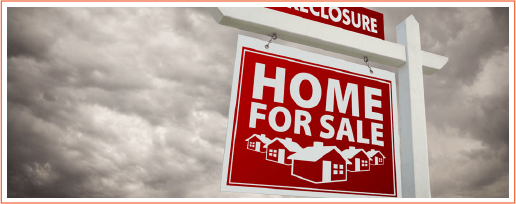
Foreclosure and Bankruptcy
Visit Website -

Real Estate and Estate Planning
Visit Website -
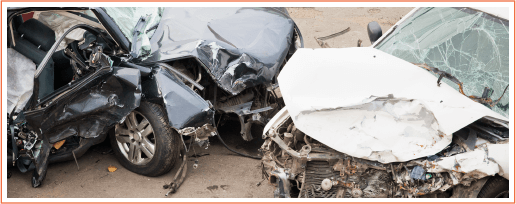
Personal Injury
Visit Website





Results listed are not a guarantee of future results.

Contact Our Firm
 The use of the Internet or this form for communication with the firm or any individual member of the firm does not establish an attorney-client relationship. Confidential or time-sensitive information should not be sent through this form.
I have read and understand the Disclaimer and Privacy Policy.