312-981-0409
33 N Dearborn St 10th Floor, Chicago, IL 60602

 Spanish
 Cantonese
Serving Clients Across 8 Illinois Locations

Recent Blog Posts
5 Food Allergy-Related Medical Conditions

Swollen throat, red eyes, vomiting, and an itchy mouth are indicators of an allergic reaction. While a person can be allergic to several things, such as dust, pollen, animal dander, mold, chemicals, metals, latex, certain medication, and insect stings, food is the most common cause of allergic reactions, affecting 8% of children and 6% of adults in the United States. In fact, over 90% of food allergy reactions are triggered by the consumption of eggs, peanuts, soy, sesame, wheat, shellfish, fish, tree nuts, and cow's milk.
If not treated promptly, food allergic reactions can give rise to various medical conditions that can destroy your quality of life forever and even lead to death. In this guide, we will provide you with an overview of five food allergy-related medical conditions, their symptoms, diagnostic approach, and effective management strategies. Without any more delay, let's begin.
I am Allergic to Milk | Here's What You Should Know

Living with a food allergy can be challenging, especially when it involves a widely consumed and versatile ingredient like milk. Milk allergy is a condition that affects a significant number of individuals worldwide, causing adverse reactions when milk or milk products are consumed. If you find yourself experiencing discomfort or symptoms after consuming milk, you may be one of the many people with a milk allergy.
Whether you are personally affected by milk allergy or want to support someone who is, remember, you are not alone. Resources and support are available to help you navigate the world of milk-free living. Let's dive in and explore the world of milk allergy together.
Understanding Milk Allergy
Milk allergy is an immune-mediated response to the proteins in milk and milk products. When individuals with milk allergy consume milk, their immune system reacts by producing antibodies and releasing chemicals like histamine, leading to various allergic symptoms.
A Complete Guide: Food Allergies in Children

Food allergies can significantly impact the lives of children, affecting their health, well-being, and overall quality of life. As a parent or caregiver, understanding and managing food allergies is paramount.
With the rising prevalence of food allergies among children, staying informed and equipped with the knowledge necessary to identify, prevent, and manage allergic reactions is important. By gaining a deeper understanding of food allergies, you can take proactive steps to create a safe and inclusive environment for your child, whether at home, school or in social settings.
Let's delve into food allergies and understand them to ensure the safety, health, and happiness of your little ones.
Food Allergies at a Glance
Food allergies are reactions of the immune system that occur when the body identifies certain proteins as harmful. When an allergic individual consumes or comes into contact with an allergenic food, their immune system releases chemicals, such as histamine, causing various symptoms. These symptoms can vary in severity and may affect different body systems, including the skin, gastrointestinal tract, respiratory system, and cardiovascular system.
12 Tips for Traveling with Food Allergies
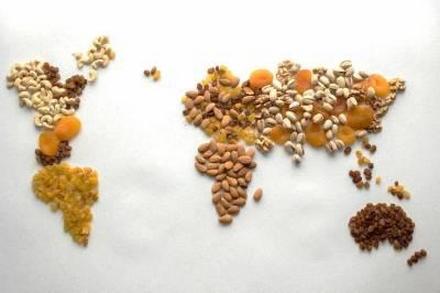
Traveling is an exhilarating experience that opens our eyes to new cultures, breathtaking landscapes, and of course, mouthwatering cuisines. However, for those with food allergies, the excitement of exploring new culinary delights can be accompanied by a tinge of anxiety. Nobody wants their adventure to be dampened by a food allergy reaction halfway around the globe!
Let's explore a few essential tips to ensure that your journeys are filled with unforgettable moments and free from allergic mishaps.
1. Research and Plan Ahead
Researching and planning are essential to ensure a smoother and safer journey when traveling with food allergies. By gathering information and making necessary preparations, you can minimize the risks associated with your allergies and enjoy your trip with peace of mind.
Learn About Your Destination's Food Culture and Common Allergens
One of the first steps in preparing for your trip is to familiarize yourself with your destination's food culture and common allergens. Research the typical ingredients and dishes found in the local cuisine. Identify any potential allergens that may be prevalent or hidden in certain dishes. This knowledge will help you make informed choices when selecting meals and avoid potential allergic reactions.
What Is Anaphylaxis?

Did you know that every 1 in 50 US citizens suffers from an anaphylactic reaction? Triggered by exposure to allergens, Anaphylaxis is a severe and life-threatening allergic reaction. An anaphylactic shock causes your immune system to release chemicals (like histamine), which lower the blood pressure and narrow the airways, making it difficult to breathe. Signs of Anaphylaxis include skin rashes, weak pulse, vomiting, nausea, wheezing, and swelling. Keep reading to learn more about Anaphylaxis and what you should do to treat an anaphylactic reaction.
Causes of Anaphylaxis
Food allergy is one of the most common triggers of Anaphylaxis. Food items that can lead to an anaphylactic shock include:
- Peanuts
- Milk
- Sesame
- Soy
- Wheat
- Eggs
- Shellfish
Things You Must Know About Cryptosporidium

Accounting for 750,000 cases in the United States annually, Cryptosporidium is the second leading factor of diarrhea among children. Cryptosporidiosis is a highly contagious infection that attacks your intestine, causing severe stomach pain, watery diarrhea, vomiting, dehydration, and even weight loss. The gastrointestinal infection can be life-threatening for children and people with a weak immune system. Read on to learn about the causes, symptoms, risk factors, diagnosis, and treatment of Cryptosporidiosis, a gastrointestinal disease caused by the deadly parasite Cryptosporidium.
What Is Cryptosporidium?
Cryptosporidium is basically a one-cell microscopic parasite that can make anyone sick. While there are many species of Cryptosporidium, some of them infect animals and humans as well. Otherwise called Crypto, Cryptosporidium has an outer shell, which protects it and allows the parasite to live in the environment for longer periods. Cryptosporidium is the most common cause of waterborne diseases in humans worldwide.
Reactive Arthritis | Symptoms, Causes, and Treatment

Swelling or joint pain triggered by an intestinal, urinary, or genital infection is called Reactive Arthritis. Scientifically known as Reiter’s Syndrome, Reactive Arthritis can affect people of all ages, including children. While in most cases, symptoms of Reactive Arthritis last only 3 months to a year, people have also reported flare-ups for 12 months after the treatment of the autoimmune disorder. According to a report by the National Institutes of Health, every 5 out of 100,000 people have Reactive Arthritis in the United States. In this article, we will discuss the causes, symptoms, and treatment of Reactive Arthritis and explore the link between Reiter’s Syndrome and food poisoning.
Reactive Arthritis and Food Poisoning
When we eat or drink contaminated food or beverages, harmful bacteria, parasites, viruses, and toxins enter our system, causing infections such as food poisoning. In most cases, foodborne illnesses resolve within a few days. However, in other cases, food poisoning can lead to Reactive Arthritis. Reiter’s Syndrome due to food poisoning is commonly associated with the following bacteria:
Food Allergy Laws and Restaurants | What You Should Know

Have you ever visited a restaurant, eagerly perusing the menu, only to find that most dishes contain something you're allergic to? If you have a food allergy, dining out can be a bit of a minefield. While you want to enjoy delicious food and good company, you must also be vigilant about avoiding allergens that could make you sick.
Fortunately, there are food allergy laws and regulations in place that help protect diners with food allergies. Let's look at what you need to know about food allergy laws and restaurants and help you dine out confidently and safely.
Food Allergy Laws in the United States
Food allergies are a serious concern for millions of Americans. It is estimated that they affect 32 million people in the United States. To help protect individuals with food allergies, federal laws require food manufacturers and restaurants to provide allergen information and accommodations.
E. Coli 0157: How Does It Impact the Human Body?
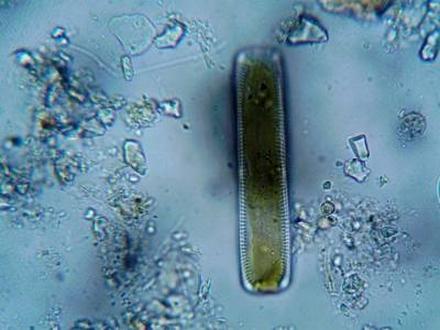
Also known as VTEC, Escherichia Coli 0157 is a bacterial infection that can cause gastroenteritis. E. coli 0157 is a bacteria usually found inside the human intestine and the feces and gut of animals, especially cattle. While there are many species of Escherichia Coli infection, 0157:H7 is the most dangerous one as it leads to symptoms like vomiting, abdominal cramps, diarrhea, and acute kidney failure in severe cases. People at a higher risk of getting infected with E. coli 0157 include newborns, children, the elderly, pregnant women, and people with a weakened immune system (those suffering from diabetes, cancer, and HIV). Keep reading the article to learn more about the E. coli 0157 infection.
How Does the E. Coli 0157 Infection Spread?
Abbreviated as STEC, the Shiga-toxin-producing Escherichia Coli was first identified in 1982 as a trigger of bloody diarrhea caused by eating raw hamburger meat and undercooked food. Since then, E. coli 0157 outbreaks have been associated with consuming contaminated food and drinks such as apple cider, unpasteurized milk or cheese, sprouts, lettuce, spinach, and salami.
Understanding FDA and FALCPA Food Allergen Labeling Laws

Living with a food allergy is a nightmare, especially if you have many. The threat of suffering from a food allergic reaction can make buying a grab-and-go snack, grocery shopping and going on a casual lunch with friends tricky, if not frustrating and confusing. You will always need to stay vigilant, read all the food labels, and ask for the ingredients of every dish before you make a decision.
Consumers worldwide rely heavily on food labeling to inform them about the nutritional value and ingredients of a product. However, in order to make a wise and calculated decision, you must learn to read and understand the food labels. This article will walk you through everything you need to know about FDA and FALCPA food allergen labeling laws.
What Is the FALCPA Act?
The Food Allergen Labeling and Consumer Protection Act (FALCPA) was enacted on January 01, 2006. The law required all food manufacturers to clearly identify the presence of any of the major eight allergens (eggs, milk, tree nuts, peanuts, soy, wheat, shellfish, and fish) on the label. FALCPA also instructed the packaged food production companies to write the information about the food allergens in easy, understandable, and readable language.
-

Foreclosure and Bankruptcy
Visit Website -

Real Estate and Estate Planning
Visit Website -

Personal Injury
Visit Website









Results listed are not a guarantee of future results.

Contact Our Firm
 The use of the Internet or this form for communication with the firm or any individual member of the firm does not establish an attorney-client relationship. Confidential or time-sensitive information should not be sent through this form.
I have read and understand the Disclaimer and Privacy Policy.